An-My Lê
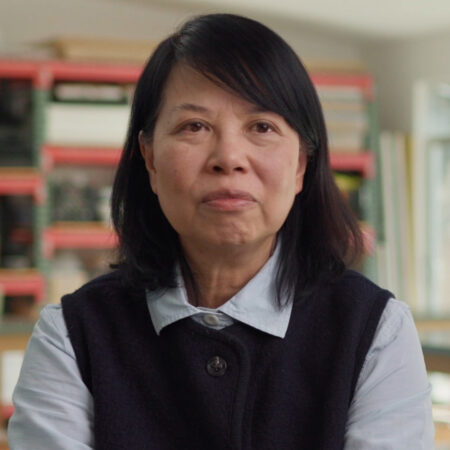
An-My Lê was born in 1960 in Saigon, Vietnam, and lives and works in Brooklyn, New York. She received a BAS and an MS from Stanford University in 1981 and 1985, and an MFA from Yale University in 1993. Documenting former sites of battle, military training exercises, and Vietnam War reenactments, An My Lê’s photography considers how conflict lingers in the landscape and how media shapes our perception of it.
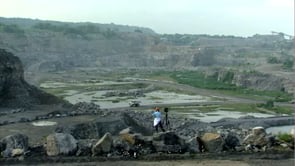
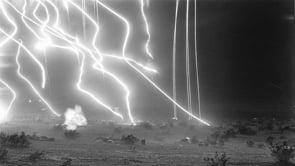
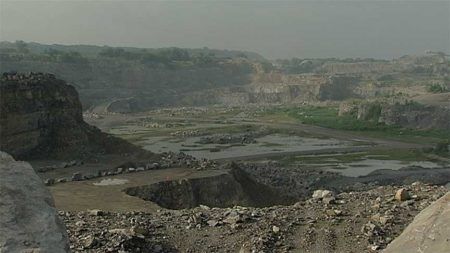
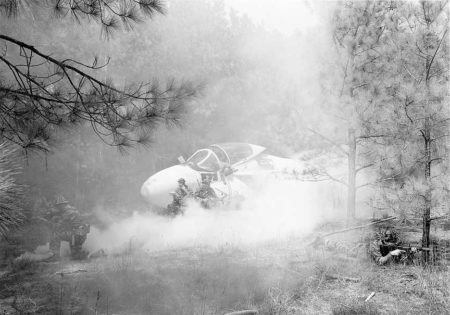
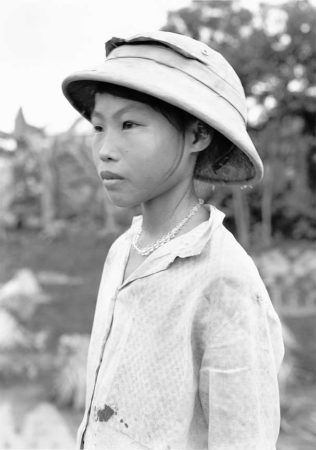
In 1975, Lê fled Vietnam with her family and settled in the United States as a political refugee. She returned to her home country for the first time in 1994 to document the physical and psychological aftermath of the Vietnam War across the country’s landscapes in her series Viet Nam (1994-1998). “When I got to Vietnam, I realized that I was not so interested in the specific psychology of each person,” Lê says. “I was more interested in the activities, what they do, and how that activity is displayed onto the landscape.” To create works such as Untitled, Mekong Delta (1994), the artist instructed a family of farmers working to stand still in a field of trees and grass. The resulting image depicts the family at a distance: still figures amid an active landscape, reflecting a changing pace of life in Vietnam and the hazy nature of the artist’s memories of Vietnam. In later works, the artist probes how overseas wars have significant effects on the geographies of the United States. In Small Wars (1999–2002), Lê photographed and participated in Vietnam War reenactments in South Carolina, and in 29 Palms (2003–04), she depicts the United States Marines rehearsing battles in a simulated Middle East in the California desert. In both projects, the artist uses landscape photography to reflect the transformation of land through military action, ultimately turning the land into a stage for performance and a potent site of collective memory.
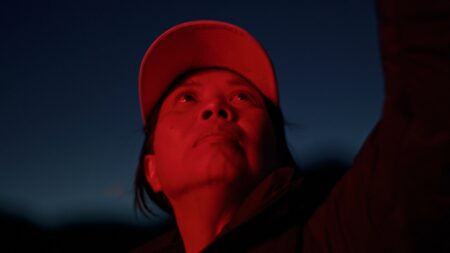
In more recent works, Lê creates photographs of starscapes, celestial arcs, and images of the night sky to reflect on the relationship between nature, history, and the cosmos. In works such as Dark Star (2024) and Grey Wolf (2024), the artist investigates the night sky as an extension of the militarized landscape of the United States. Grey Wolf, shot from a helicopter, depicts the Montana countryside against the backdrop of nuclear missile launch sites. Presented in a cyclorama, or circular panorama, seven photographs are placed side by side to create a 360-degree image of a surveilled and militarized airspace. For her series Dark Star, the artist traveled to Mesa Verde, Colorado, to photograph the night sky as it may have been seen by the Ancestral Puebloans. In her site-specific work Way Station (2026), the artist traveled to High Desert Test Sites in Joshua Tree to photograph celestial arcs and install the images directly into the landscape alongside mirrors. Lê notes, “The landscape has always been a protagonist for me. Here [in Way Station], I have the real landscape, the photographed landscape, the reflected landscape, and then also there’s a sense of the self being brought into the landscape. The individual within something larger, that’s always been my interest.”
Videos 6
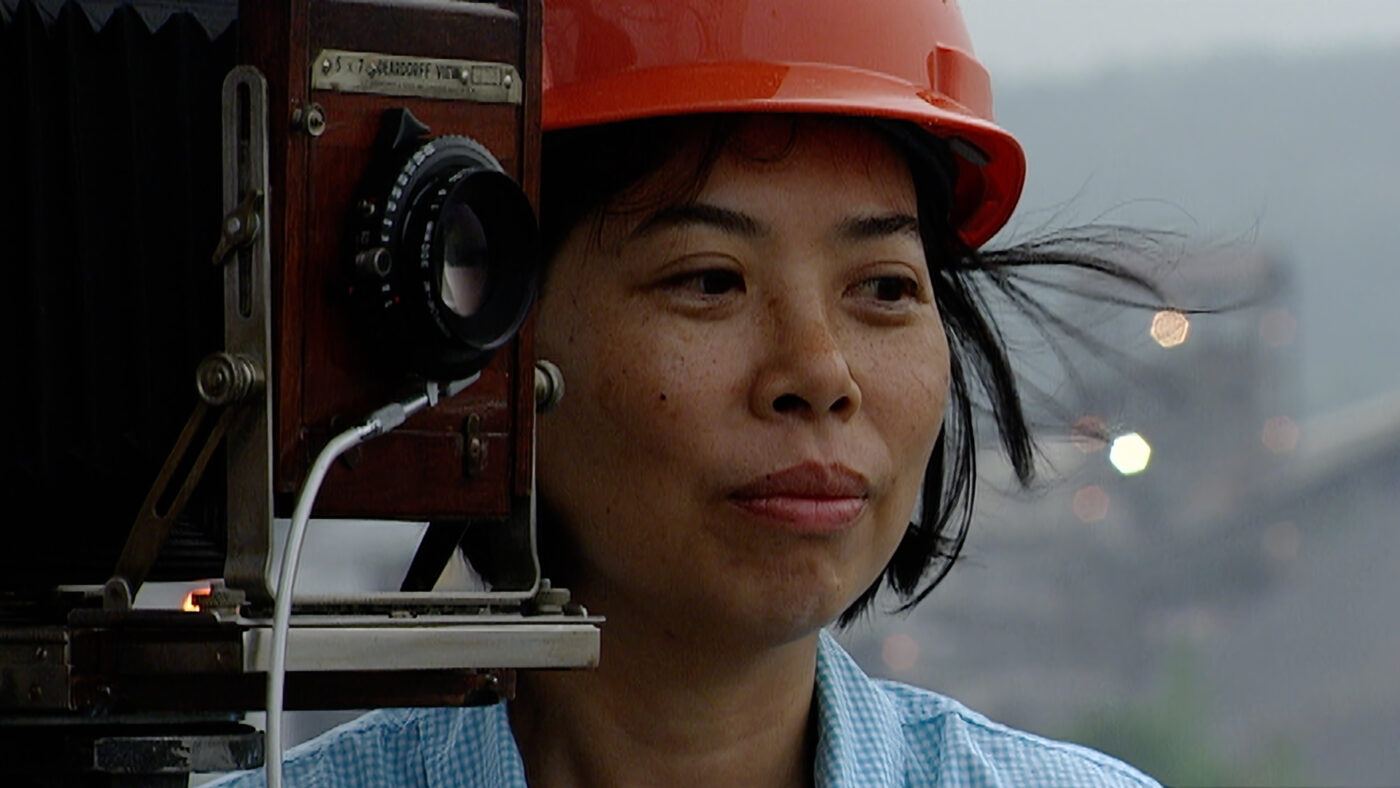
An-My Lê
An-My Lê
An-My Lê
An-My Lê